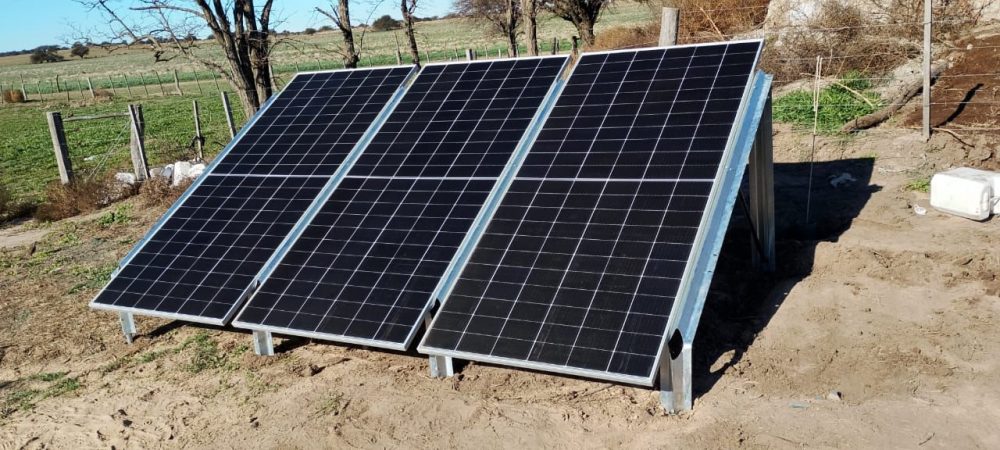
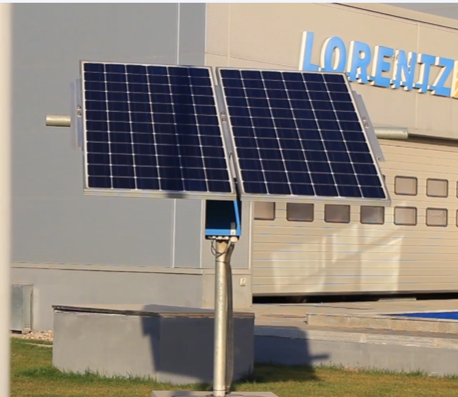
Solar panels produce the most energy when they face the direction that receives the most sunlight during the day.
In the Northern Hemisphere, panels should generally face south.
In the Southern Hemisphere, panels should generally face north.
Correct orientation helps the solar pump start earlier, run for longer, and pump more water during the day.
Avoid shading
Solar panels need direct sunlight to produce their full power. Even a small shadow can significantly reduce the performance of a panel.
A solar panel is made up of many individual solar cells connected together. When some cells receive less sunlight than others, they can restrict the output of the whole panel.
Reduced solar power may cause the pump to:
- Start later in the morning
- Run more slowly
- Stop earlier in the afternoon
- Pump less water during the day
Common causes of shading
Shadows may be caused by:
- Trees and branches
- Chimneys, vents, antennas, and roof railings
- Nearby buildings, fences, or poles
- Leaves, bird droppings, dust, and dirt
- Grass or other vegetation around ground-mounted panels
Even a narrow shadow across part of a panel can significantly reduce its output. For example, a small amount of grass shading the bottom edge of a ground-mounted panel may have a much greater effect than expected.
Shading can affect more than one panel
Solar panels are often connected together in a group called a string. The electricity must flow through every panel in the string.
If one panel is shaded, it may restrict the output of the other panels connected to it. For this reason, all panels should be installed where they will receive clear, direct sunlight.
Check for seasonal and future shading
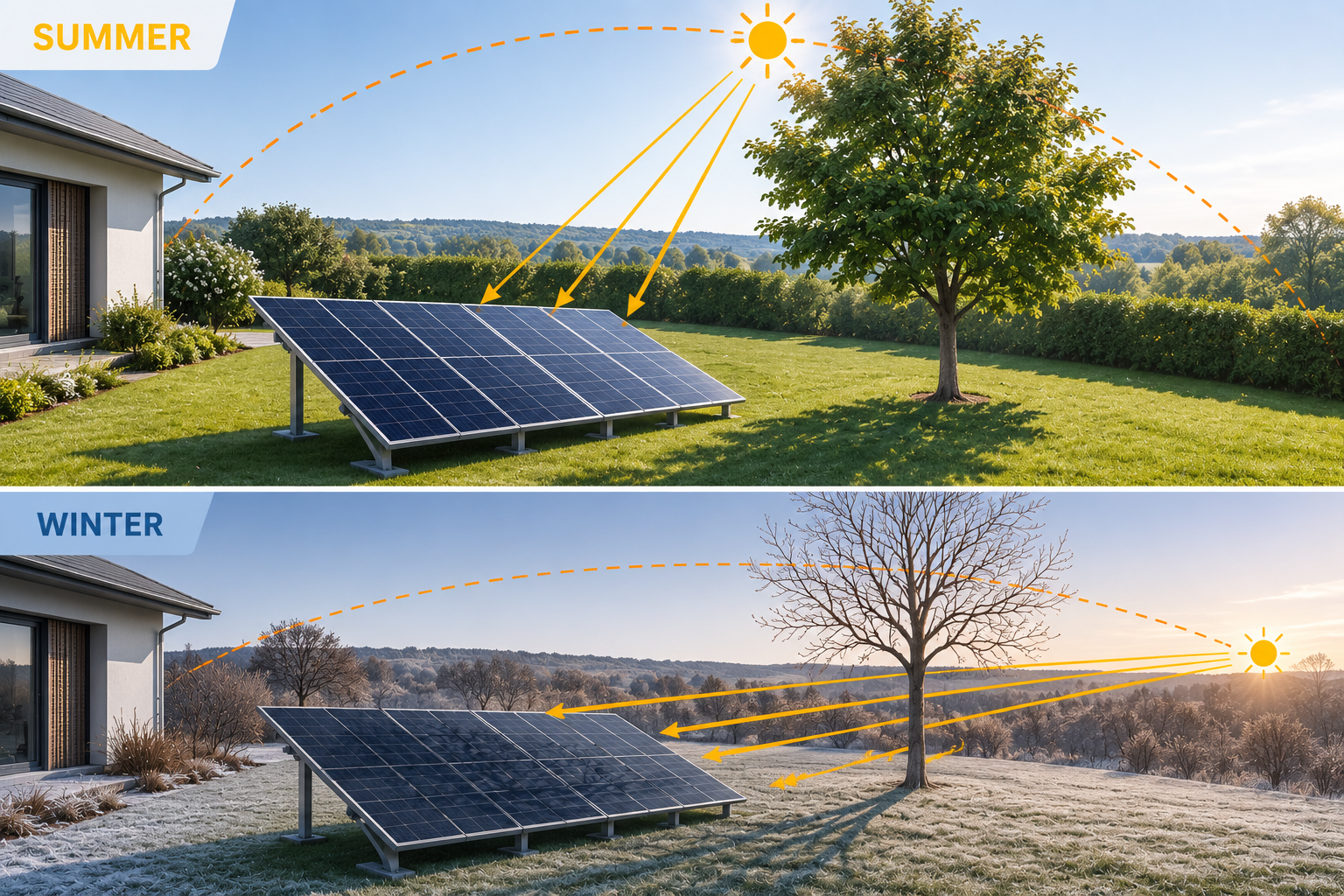
Shadows change throughout the year because the position of the sun changes. Shadows are generally longer when the sun is lower in the sky.
A location that is free from shade in summer may be shaded during winter. Trees, bushes, and other vegetation can also grow and create new shadows over time.
Before installing the panels, check the proposed location at different times of day and consider:
- How shadows may change between summer and winter.
- Whether nearby trees or vegetation will grow
- Whether new buildings, fences, or other objects could create shade
Keep the panels clean
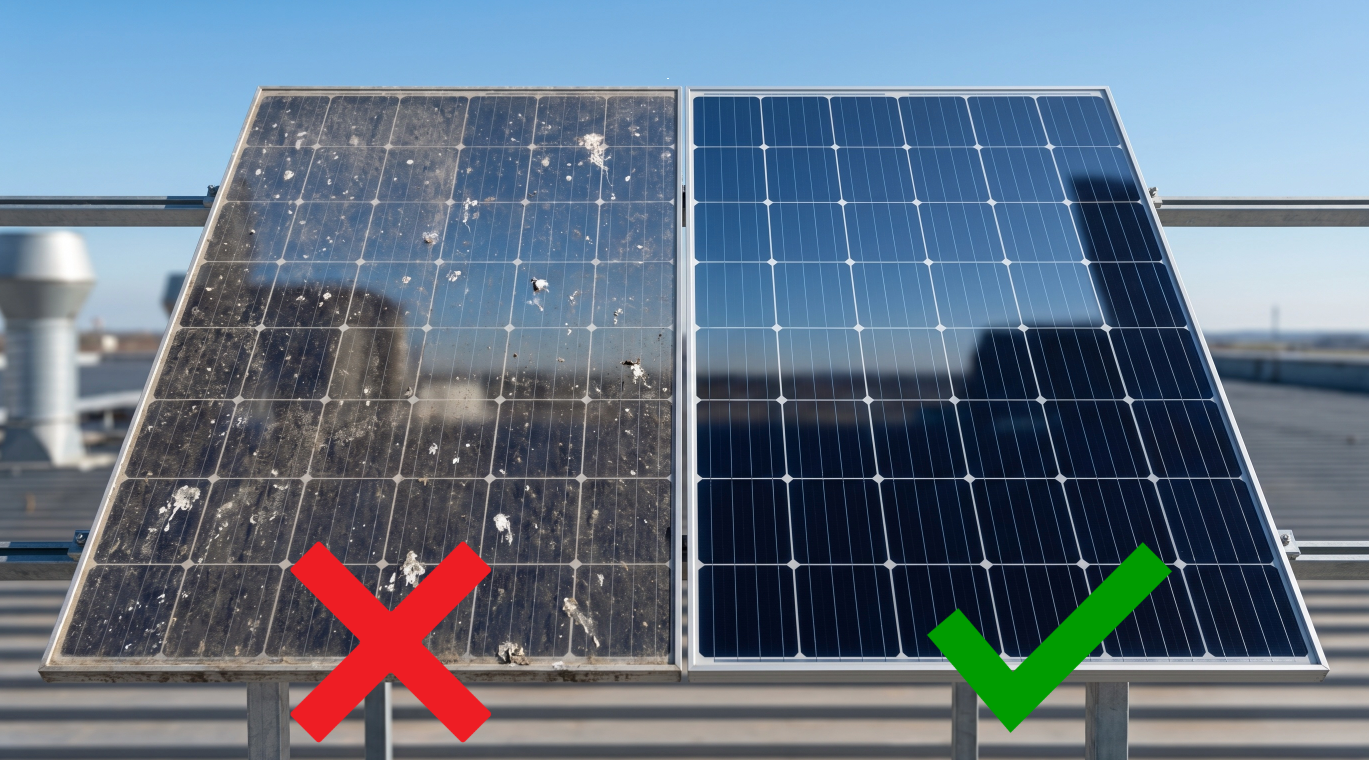
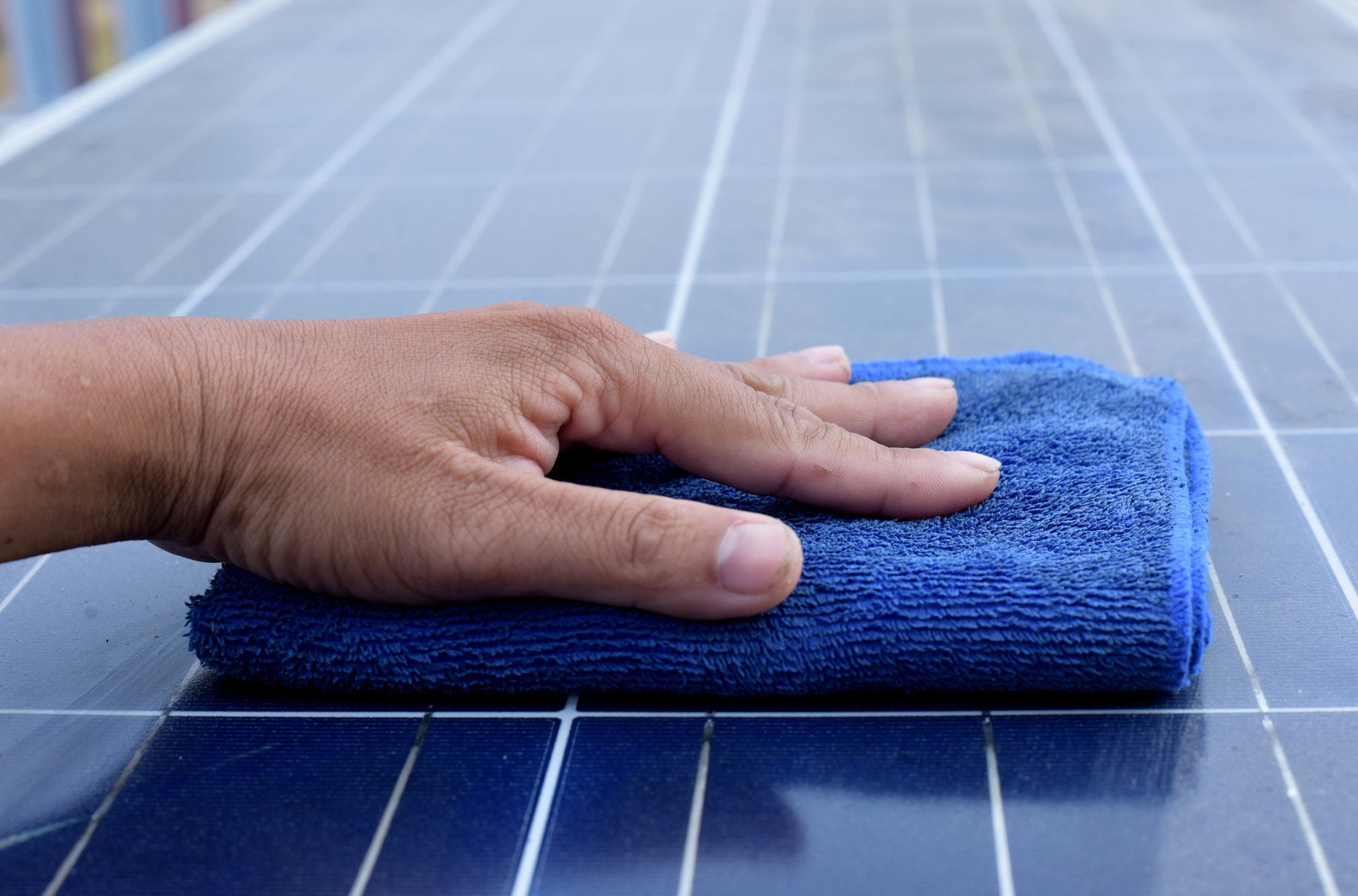
Dirt, dust, pollen, leaves, and bird droppings can block sunlight in the same way as a shadow.
Inspect the panels regularly and clean them when necessary. Also keep grass and other vegetation trimmed around ground-mounted panels.
Follow the panel manufacturer’s cleaning instructions and do not use materials that could scratch or damage the panel surface.
Key points
For the best possible pump performance, solar panels should:
- Face the correct direction for the installation location.
- Receive direct sunlight for as much of the day as possible.
- Be positioned away from current and future sources of shade.
- Be kept clean and clear of leaves, dirt, and vegetation.
Careful positioning and regular inspection will help the pump operate reliably and deliver the greatest possible amount of water.